 Alex Zah
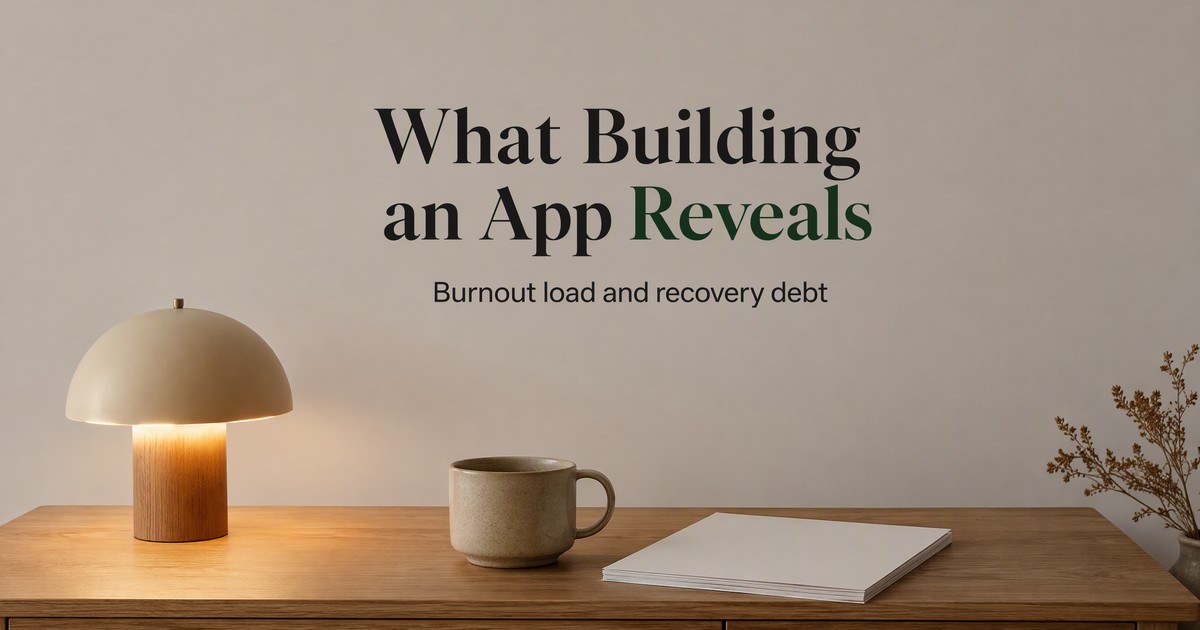
Building a nervous system app changes how you see burnout. You stop seeing it as a simple motivation problem and start seeing the repeated mismatch: too much load, too little recovery, and the wrong tool for the current state.
That does not make an app a solution to burnout. It makes the pattern easier to notice.
The pattern that kept appearing
The same person can need different support on different days. Wired states need downshifting. Flat states need gentle activation. Overloaded states need fewer choices. Generic advice misses that.
What the app cannot do
An app cannot fix an impossible workload, unsafe environment, medical issue, or lack of support. It can help you notice the state earlier and choose a more fitting next step.
That distinction matters. Useful tools should reduce pressure, not pretend to replace the wider support a person may need.
What the app can do
A good state-matched tool can help you pause before over-riding your body, choose a routine that fits the state, and make the next action smaller. That is modest, but useful.
Safety note
Burnout can be serious. This article is educational and not medical, therapy, workplace, or crisis support. Use qualified help when symptoms are severe, persistent, or unsafe.
FAQ
Can an app fix burnout?
No. An app can support awareness and small regulation steps, but burnout often requires workload, recovery, boundary, medical, or professional support.
Why does productivity advice fail during burnout?
It often assumes capacity is available. Burnout can reduce flexibility, energy, and recovery, so the advice needs to be smaller and more state-aware.
What should a burnout tool do first?
Reduce pressure, clarify the state, and offer one small next step instead of adding another complex system.
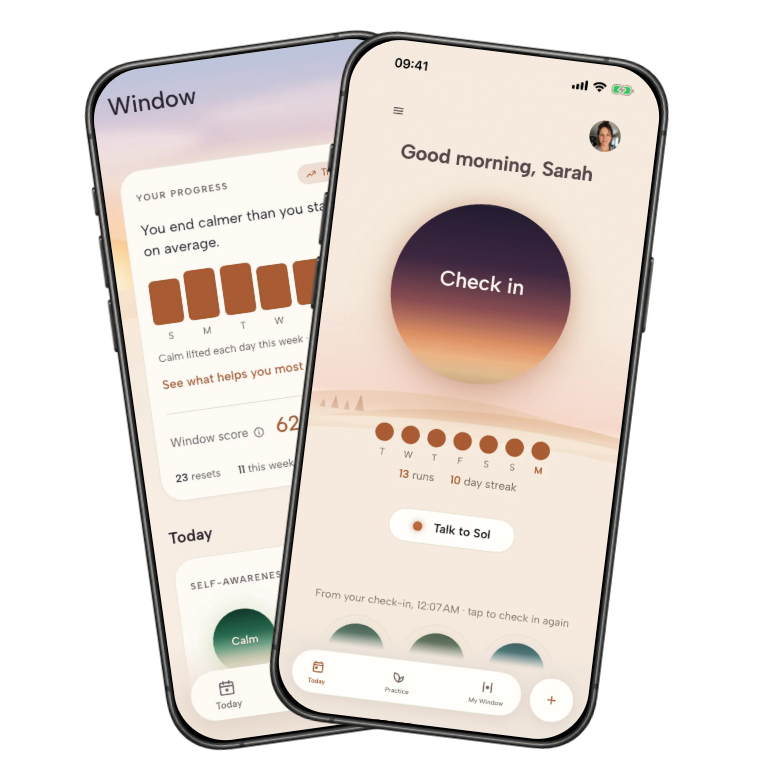
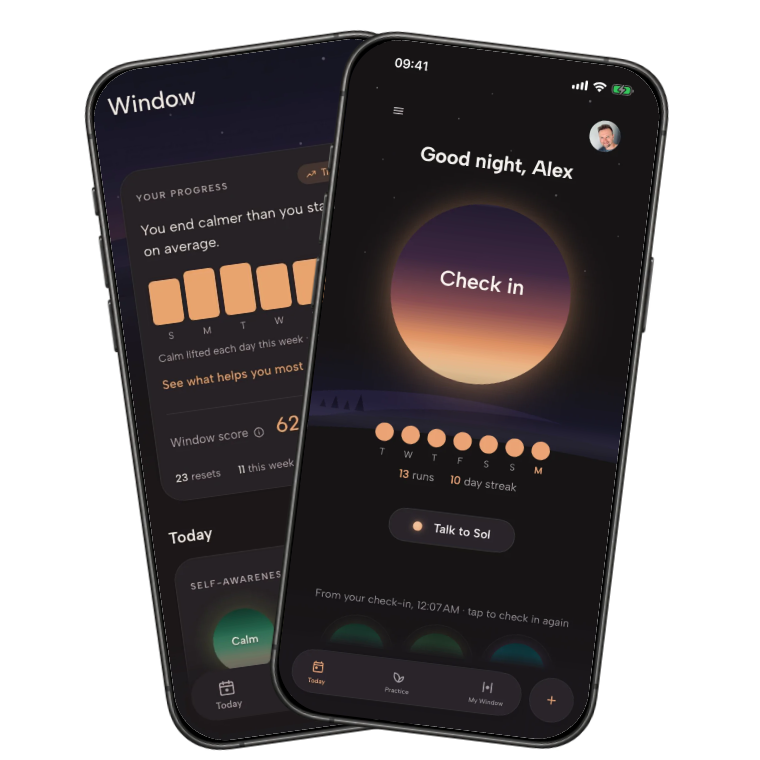
How does this connect to NerveWindow?
NerveWindow was built around state matching: check what is happening, then choose the routine that fits.
Short takeaway
Burnout is not solved by yelling at motivation. It needs load honesty, recovery design, and state-matched support.
NerveWindow was built for state mismatch, not perfect routines. $27 lifetime.